


Stones and Bones
4.642.00 Reviews
App Specs
- Version
- 1.0.0
- Updated On
- License
- Free
- Downloads
- 10,000+
- Developer
- MEGAGIGA GAMES BILISIM A.S.
- Categories
- Adventure
- Platform
- Android
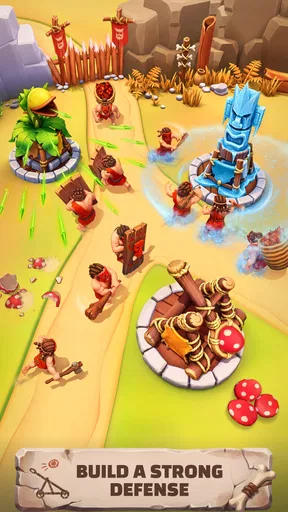
Screenshots

 Analysis by AppCompare
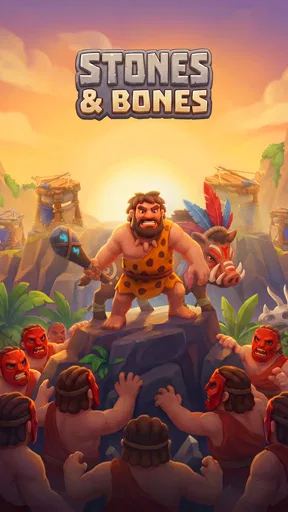
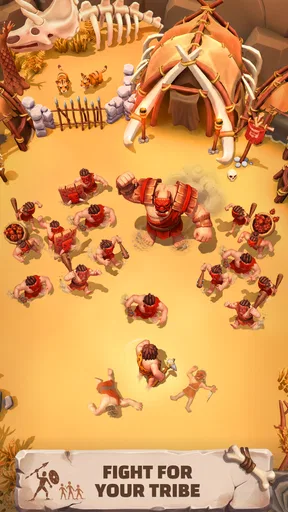
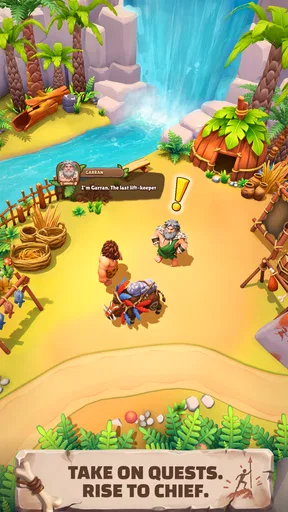
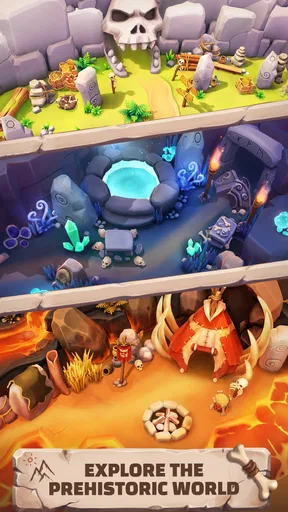
I approached Stones and Bones as an adventure game built around a clear, personal goal: save a loved one while keeping a sacred boar safe from the Bonebreakers. That gives its premise more character than a bare string of fights, and it makes the animal feel like part of the story rather than just a name in the title. My overall impression is of a game aimed at players who enjoy a straightforward adventure hook and want to see how a rescue mission unfolds.
A rescue story with a memorable companion
The central setup puts two kinds of stakes side by side. There is the emotional urgency of rescuing someone you love, and there is the duty of protecting a boar with sacred importance. The Bonebreakers provide a direct source of danger. That combination gives the adventure a distinctive identity, even before considering how its individual encounters play out.
I like that the premise leaves room for more than simply defeating enemies. Protecting the boar suggests a different concern from pursuing the rescue, and that contrast can make a journey feel more meaningful. It also gives the story a useful anchor: when deciding whether this game sounds appealing, ask yourself whether you enjoy adventures where the goal is both to push forward and to safeguard something vulnerable.
At the same time, the premise alone cannot tell me how much choice or narrative depth the game offers. I would treat it as a reason to try the adventure, not as proof of a branching story or a particular style of mission design. That distinction matters if you are choosing between a compact, action-led game and a story-heavy adventure with extensive dialogue and character decisions.
What the game is offering
Stones and Bones is a free adventure game from MEGAGIGA GAMES BILISIM A.S. Its current version is 1.0.0, and it is rated Everyone 10+, which makes it a reasonable option for younger players who want a more adventurous theme than a gentle puzzle game. The store shows a 4.6 average from around 1.1K ratings, with 10K+ installs; those figures suggest a modest audience response, not a guarantee that every player will enjoy its pace or style.
The game is listed as free to start, with in-app purchases ranging from $0.99 to $124.99 per item. That is a wide spread, so I would make the distinction between access and spending before handing a device to a child: the price to download is not the same thing as the possible cost of optional purchases. The listing establishes that purchases exist and gives their price range, but it does not identify what each item does or whether any purchase affects progress. I would not assume either that spending is necessary or that it has no gameplay impact.
For an everyday decision, that makes this a low-commitment download but not automatically a no-cost experience in every sense. If you are trying it yourself, you can judge the opening before deciding whether it deserves more time. If it is for a younger player, set a clear purchase expectation in advance and use the device’s purchase controls as appropriate. That is a practical precaution, not a claim about how the game presents its offers.
Worth Reading Before You Choose

Switching to Android Auto Means Rethinking Your Driving Routine

Google Calendar Makes a Crowded Week Easier to Manage

Baby Panda World Brings Quick Play to Modern Phones, but Its Game Library Feels Busy

ESPN’s Live Game View Makes Following Close Games Easier

QuizzLand Review: A Good Fit for Short Trivia Breaks, Not Every Player

Basketball Stars: Multiplayer Is Fast, but Can It Recover When Matches Go Wrong?
Progress, tension, and when to pause
The rescue-and-protection premise naturally creates two pressures: advance against the Bonebreakers, and keep the boar’s importance in mind. I find that more interesting than an adventure whose only stated purpose is to clear a string of opponents. It gives players a simple way to stay invested even if they are not looking for elaborate lore: there is someone to save and something worth guarding.
For a short play session after school or during a break, that kind of clear objective is useful. You can return to a game with an understandable reason to continue rather than needing to remember a complicated web of side plots. Still, I would not promise that every session is naturally brief. The available details do not establish how long a level or mission takes, so anyone who needs reliably quick rounds should check the early play experience before making it a regular commute game.
A useful way to judge the pacing is to notice whether the game makes the rescue goal feel like progress, or whether it becomes background while repeated encounters take over. If the boar’s safety remains a meaningful concern, the premise has a chance to shape your decisions. If it is mostly decorative, the experience may feel closer to a conventional enemy-focused adventure. That is the key distinction I would pay attention to rather than assuming the story promise dictates the actual mechanics.
Another practical trade-off is how much attention the game asks for. A rescue adventure with hostile opponents is a better fit for a player who can focus on what is happening than for someone looking for an idle game to leave running in the background. I would choose it for a deliberate session, especially when I want a clear fictional objective, and choose a casual puzzle or passive game if I only have a few distracted moments.
Fairness and spending without guesswork
The presence of purchases does not, by itself, tell me whether Stones and Bones is fair or unfair. The confirmed price range runs from $0.99 to $124.99 per item, but there is no reliable basis here for saying what those items contain, how often they appear, or whether they change difficulty. I would rather be precise about that limit than label the game pay-to-win without evidence.
For players who care about competitive fairness, the first question is whether the game actually puts players against one another in a shared competition. The known description centers on rescuing a loved one, protecting the boar, and confronting the Bonebreakers; it does not establish a multiplayer or leaderboard system. So I would not choose this game expecting a competitive ladder, nor would I judge its fairness by assumptions about rankings that have not been established.
If purchases are presented while playing, consider what you are being asked to pay for before making a decision. Check the item’s displayed description and whether the game remains enjoyable without it. That is especially sensible when a single listed item can cost much more than the free download. I can recommend trying the game at no charge, but I cannot recommend a specific purchase without knowing what it unlocks or changes.
This is also where it differs from many familiar adventure alternatives. A traditional paid game makes its main price clearer upfront, while a free-to-download game with optional purchases lowers the barrier to trying it but asks you to stay alert to later offers. Neither model is automatically better. If you prefer paying once and avoiding in-game spending decisions, a clearly priced premium adventure may suit you more. If you prefer sampling first and deciding later, this game’s free entry is the more convenient route.
Who I would recommend it to
I would suggest giving it a try if you like adventure games with a direct rescue mission, a named enemy group, and an unusual protective element in the form of a sacred boar. The premise is specific enough to stand apart from a generic quest, and the free download makes it possible to see whether the tone works for you before spending anything. The Everyone 10+ rating also gives families a useful starting point when considering age suitability, though individual preferences still matter.
I would be more cautious if you want a guaranteed deep story, a particular combat system, a long campaign, offline play, or a precise session length. Those are all reasonable things to check when choosing a game, but they cannot be inferred from the adventure premise. Likewise, if your priority is a fully transparent one-time price with no purchase decisions, I would look at paid alternatives instead.
One good approach is to use the first session as a test rather than a commitment. Notice whether the game quickly makes its rescue objective understandable, whether protecting the boar feels important in play, and whether any purchase prompts affect your enjoyment. Those three observations will tell you more about fit than the premise alone. If the adventure’s central stakes keep you curious and the spending model feels comfortable, it may be worth continuing; if not, you can move on without having paid to download it.
Platform fit and practical checks
The listed minimum operating-system requirement is 7.1. Before downloading, I would check the device’s software version and available storage in the usual way, particularly on an older phone. The requirement is useful for a basic compatibility check, but it does not tell you how smoothly the game will run on every device. If performance is a concern, try it on the actual phone or tablet you intend to use rather than relying on the requirement alone.
For parents, the age rating and purchase range answer different questions. Everyone 10+ is a guide to the intended content level, while the listed in-app prices are a reminder that spending may be possible. I would not treat one as a substitute for the other. A child may be comfortable with the adventure theme while still needing a conversation about purchases, and an adult may be fine with the purchase model but prefer a calmer game for a younger player.
For a solo player deciding what to install, the most relevant comparison is not simply “adventure versus adventure.” It is whether you want a focused rescue premise or a more open-ended world, and whether you are comfortable with a free game that includes optional purchases. If you want an established story world with clearly documented systems, another title with those details plainly explained may be a safer match. If the boar-protection hook is what catches your attention, this one has a more distinctive reason to earn a first look.
My trust verdict
I come away interested in the premise, while keeping my expectations grounded. The pairing of a personal rescue with the responsibility of protecting a sacred animal gives Stones and Bones a clear identity. Its free download and modest but positive audience response make it easy to consider, and the Everyone 10+ rating helps families assess whether its broad tone sounds appropriate.
The main caution is spending clarity: purchases are available across a broad listed price range, while their exact effects are not established here. That does not make the game a bad choice, but it does mean I would approach purchases deliberately instead of assuming they are essential or harmless. I would also avoid expecting a specific multiplayer format, campaign length, or combat depth based only on the story setup.
My recommendation is to try it if the rescue-and-boar premise appeals to you, then judge the early experience on its own merits. It is a better fit for curious adventure players who are comfortable checking purchase prompts than for someone who wants a guaranteed premium-style, pay-once experience. For me, the concept is the strongest reason to give it a chance; whether it becomes a keeper depends on how well the game makes those two protective stakes matter as I play.
A sensible first-session test
If I were deciding whether to keep playing, I would focus on a few things during the opening rather than trying to predict the whole game from its premise. Does the rescue goal stay easy to follow after the initial setup? Does the boar’s presence affect how I think about the danger, or does it fade from view? And can I enjoy the session without feeling pushed toward a purchase? Those checks help separate a strong story hook from an adventure that actually suits my habits.
For a family sharing a device, I would also agree on a simple rule before play: ask before buying anything, and pause if an offer is unclear. That avoids turning a casual try into an unexpected spending decision. A solo adult may not need that conversation, but the same caution is useful when deciding whether an item is worth its displayed cost.
In practical terms, this is best approached as a try-before-you-commit adventure, not as a guaranteed replacement for a premium game or a quick distraction. Its specific rescue-and-guardian setup is the reason to sample it; your early experience with pacing and purchase prompts should decide whether it earns a place on your device.
Pros
- Simple controls make it easy to start playing.
- Short levels suit quick gaming sessions.
- The prehistoric theme gives the game a distinctive look.
- Collectibles add optional goals beyond reaching the exit.
- Suitable for players who enjoy light platforming challenges.
Cons
- Platforming may feel familiar to experienced players.
- Some jumps require precise timing.
- Progress can feel repetitive across similar stages.
- Small hazards may be difficult to spot on a phone screen.
- The game may not offer much depth for players seeking a long adventure.
FAQs for Stones and Bones
What is Stones and Bones?
Stones and Bones is a mobile game centered on matching or interacting with stone-themed pieces and other visual elements. The exact gameplay, modes, and features can vary by version or platform, so check the store listing before downloading. Its simple premise may appeal to players looking for a casual game, but the listing is the best place to confirm whether its mechanics suit your preferences.
Is Stones and Bones free to download and play?
Check the Google Play Store or Apple App Store listing for the current price and any in-app purchases. A game may be free to install while offering optional purchases, advertisements, or paid content. These details can change over time and may differ between Android and iOS. Review the purchase information before downloading, particularly if children use the device or you want to avoid unexpected charges.
Can I play Stones and Bones offline?
Offline availability depends on how the particular version is built and which features you want to use. Some mobile games allow basic play without an internet connection but require connectivity for advertising, updates, online features, or account services. The store description may clarify this, but if offline play is essential, check recent user reviews or test the game without a connection after installation.
Is Stones and Bones available on both Android and iOS?
Availability can differ by country, device, and operating-system version, and a game may not appear in every regional store. Search for Stones and Bones directly in Google Play or the Apple App Store and verify the developer name, screenshots, and description before installing. Also check the listed device requirements, since an older phone or tablet may not be supported even when the game is available.
Is Stones and Bones suitable for children, and what should parents check?
Suitability depends on the game’s content, advertising, data practices, and any purchase options included in the version available to you. Before allowing a child to play, review the age rating, privacy information, and store listing for details about ads, in-app purchases, and online interaction. Consider enabling parental controls or purchase authentication, and supervise play if the app includes features you have not yet reviewed.


